Film vs Digital Wedding Photography: What Is the Difference, and Is Film Worth It?

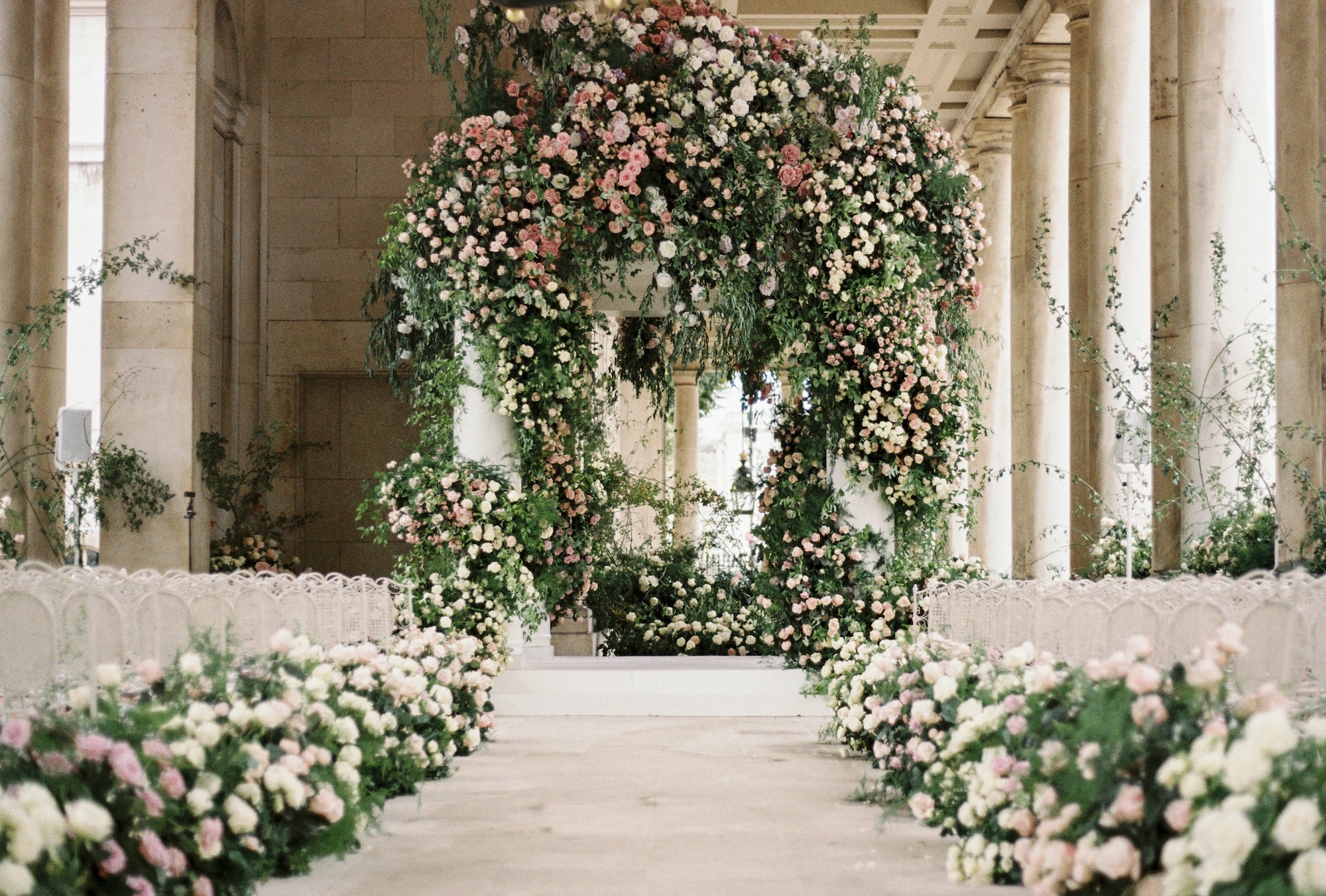
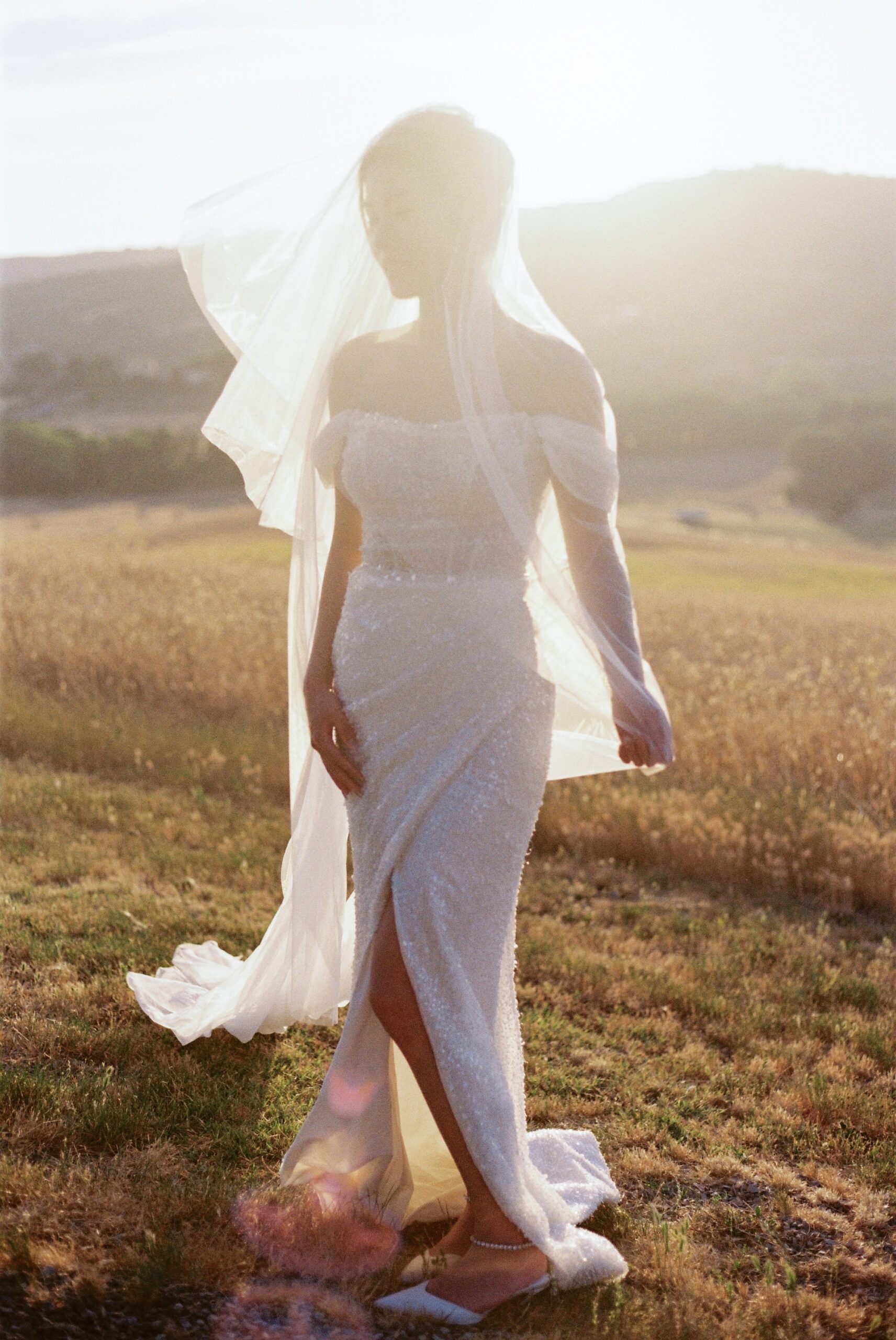
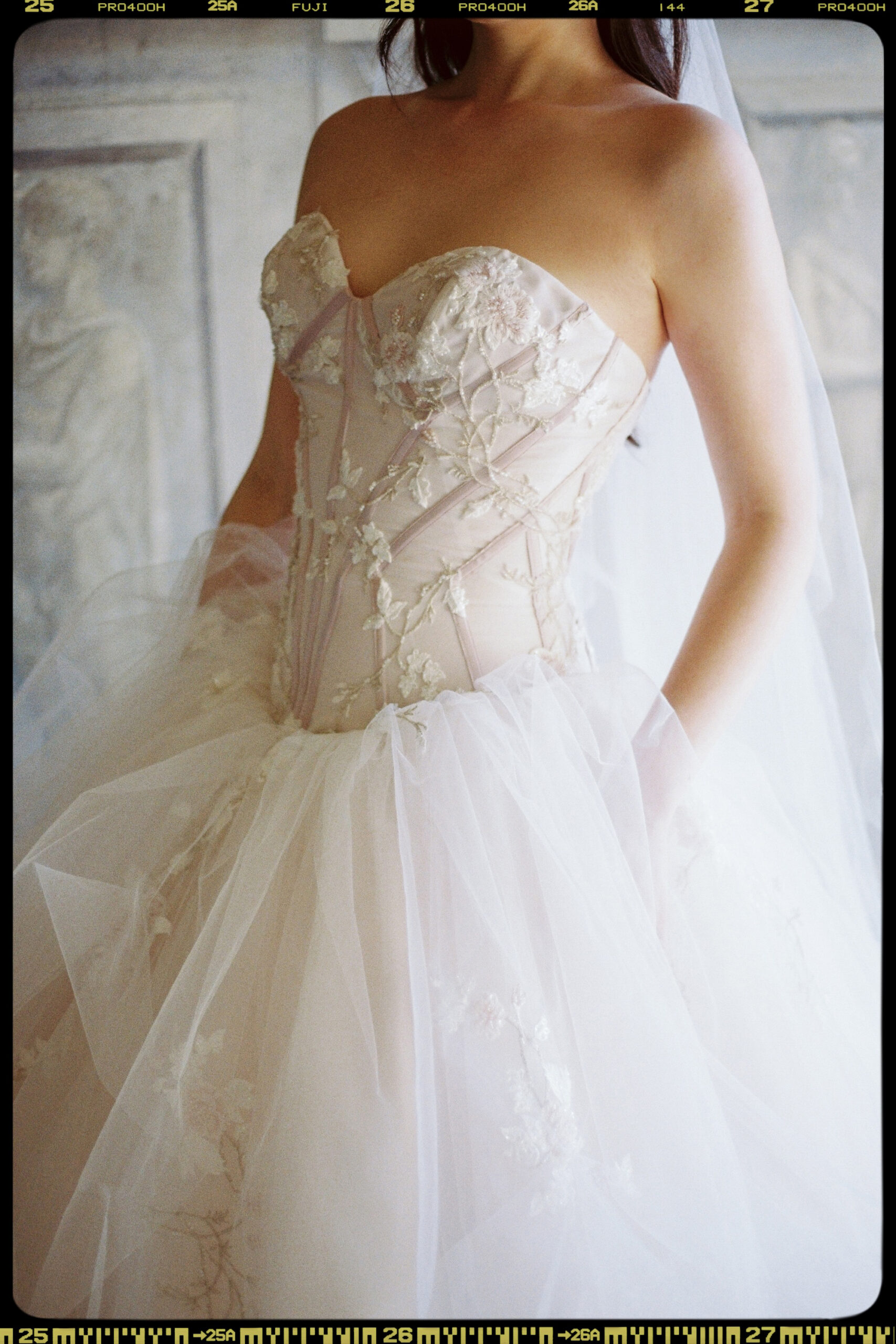
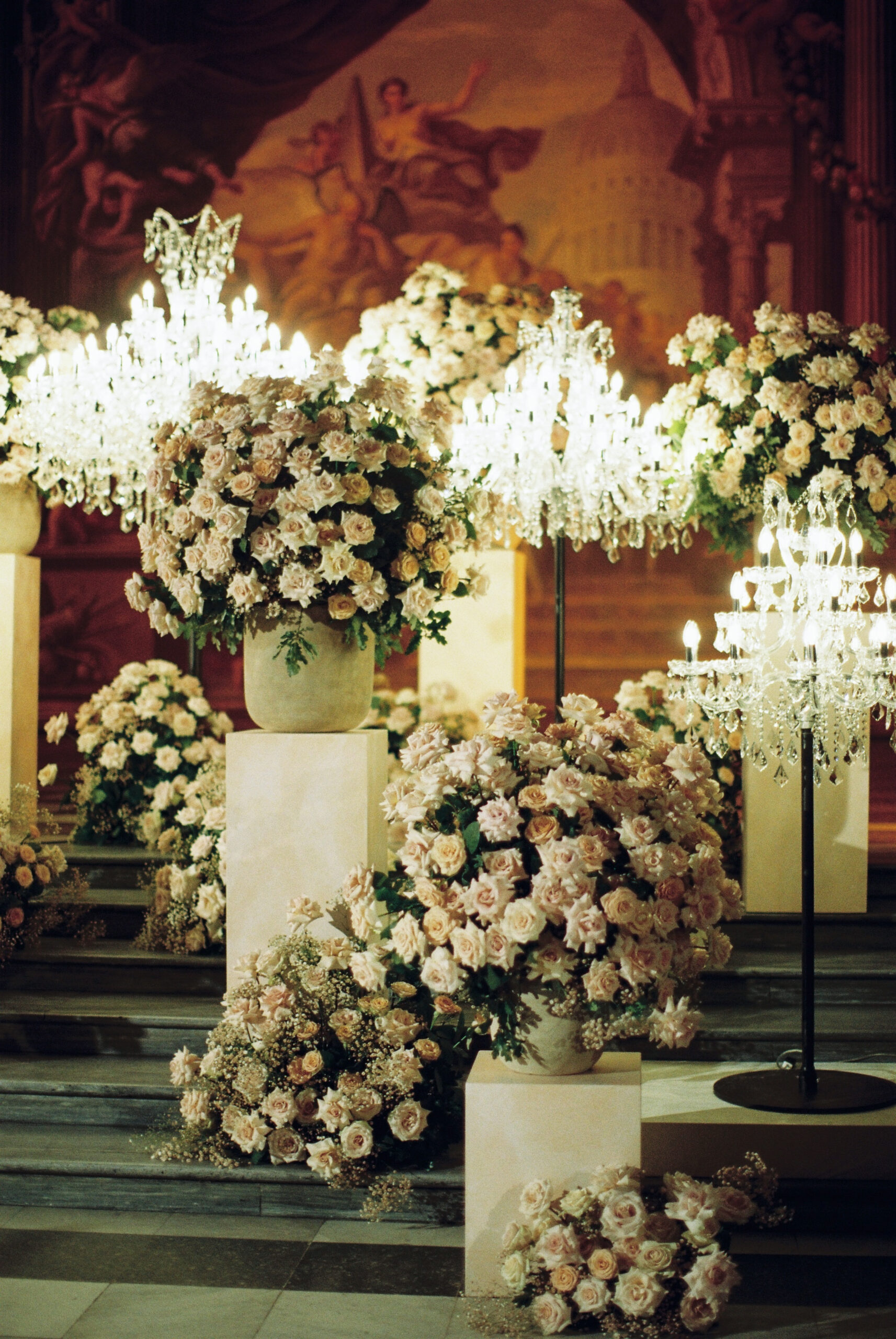
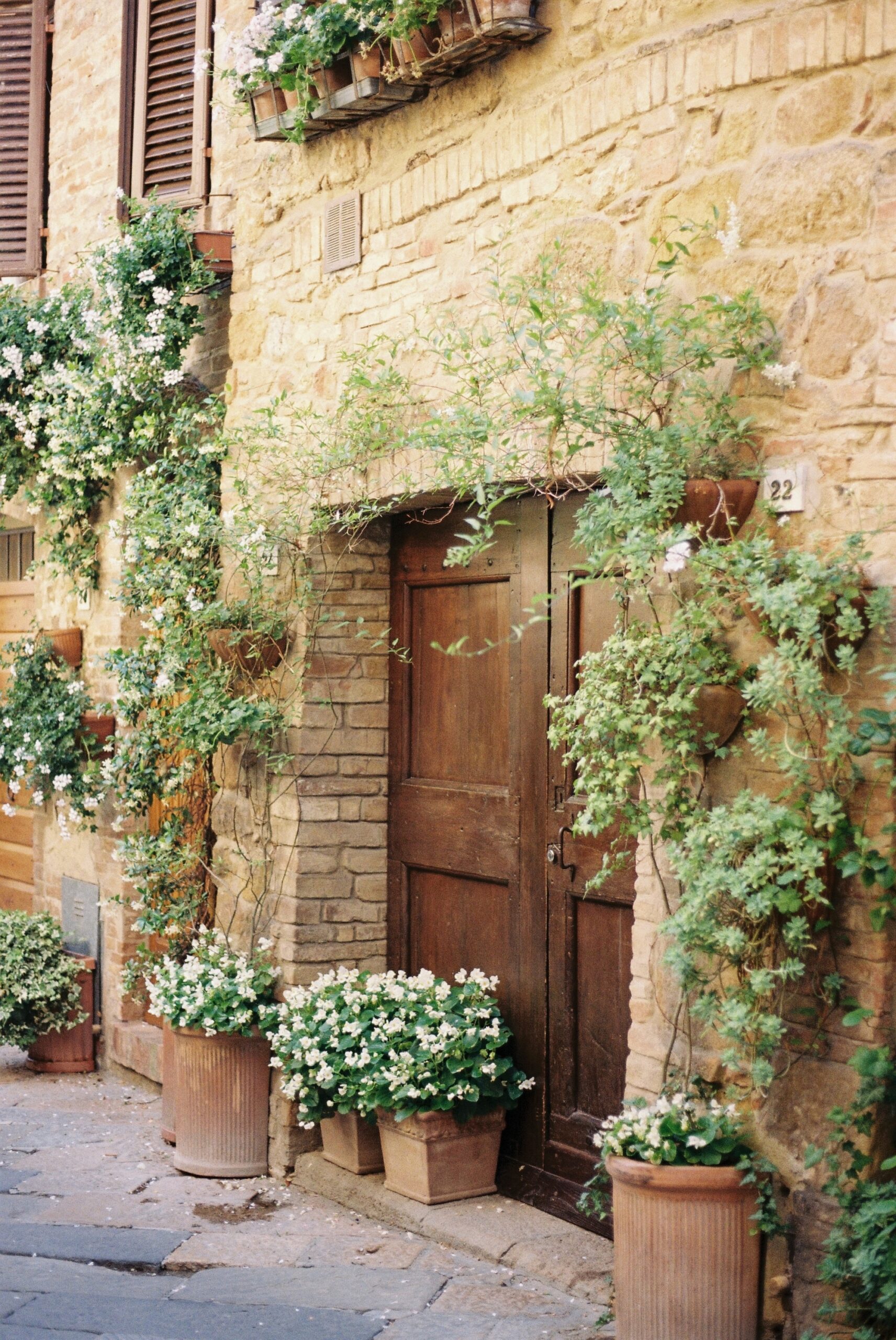
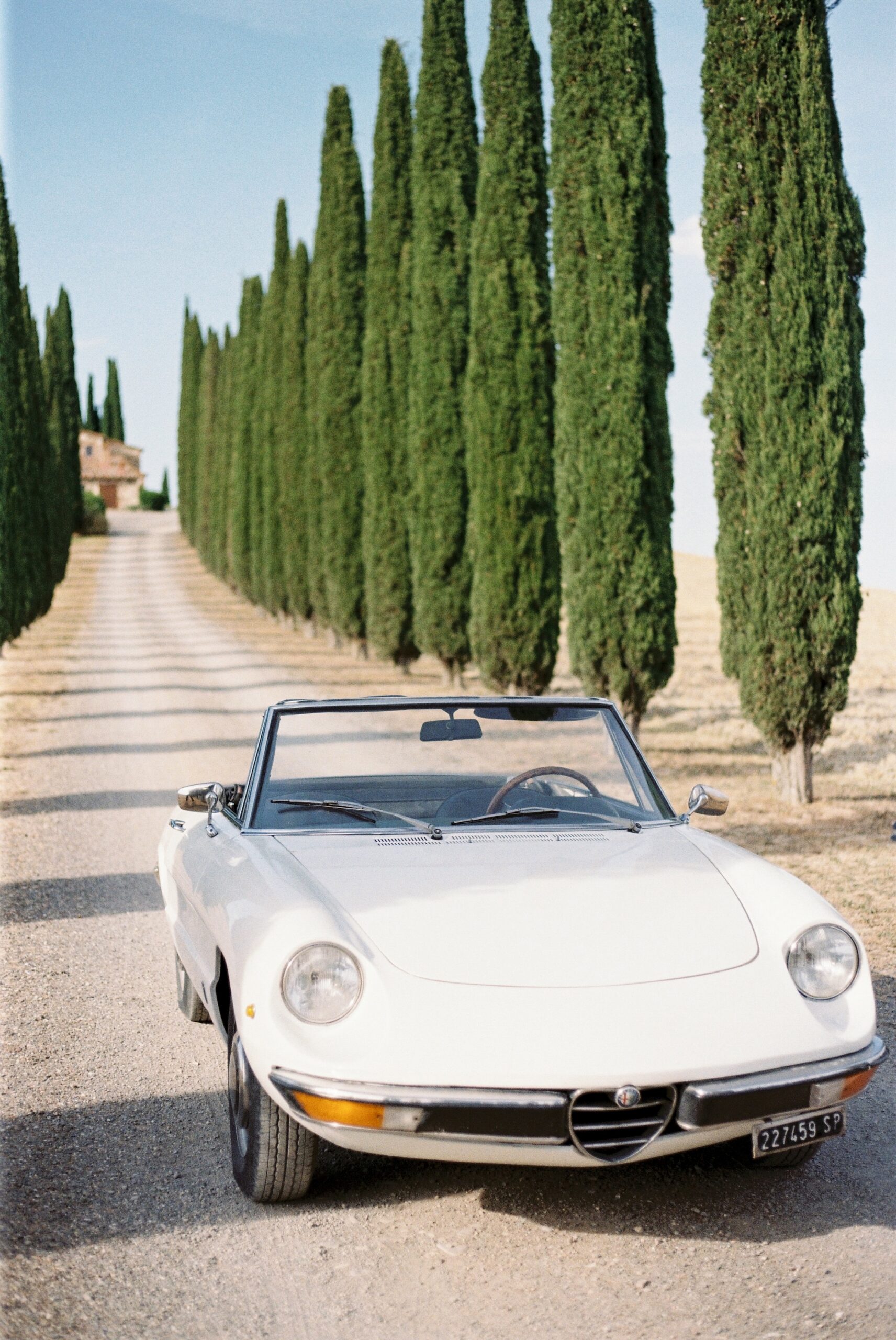
Little disclaimer before we dive in- all images in this post are shot on film...
Film photography has become increasingly popular in the wedding world, and it’s easy to understand why. There’s something about the way film renders light, colour and movement that draws people in. But beyond the aesthetic, there’s a side of film photography that I think is worth understanding, particularly if you’re considering hiring a film wedding photographer.
For a photographer who genuinely loves working with film, the opportunity to photograph an entire wedding on film is something quite different from simply incorporating a few rolls into a digital workflow. It changes the way you approach the day, the decisions you make, and the way you interpret what unfolds in front of you.
Film is a medium with its own character, limitations and possibilities. It asks you to work differently, to trust your instincts, and sometimes to let go of the desire to control every detail. For creatives, that can be part of its appeal.
But what does that actually mean for you as a couple? Is film worth the additional investment? Is a film-only photographer right for your wedding, or would a hybrid approach suit you better?
Having worked with both film and digital, I want to explore the differences beyond the usual conversation about grain, colour and image quality, so you can decide which approach genuinely resonates with you.
Film isn't a preset
One thing I think is worth understanding is that film isn’t a preset. It’s not simply a look you can apply to a digital photograph.
Two photographers can shoot the same film stock and produce completely different images. The way they see a scene, work with light, compose a frame, expose the film and approach a moment all influence the result. The developing and scanning process matters, too.
Film has its own characteristics, but it doesn’t automatically make a photograph beautiful, timeless or full of feeling. Those things still come from the person behind the camera.
If I were hiring a film photographer myself, I’d want to see more than a few instagram’s posts that caught my eye. I’d love to explore a complete wedding gallery and see how their work comes together across an entire day, from the quieter moments to the celebrations. I’d also be drawn to the idea of having physical prints, something I could hold, keep and return to over the years. For me, that would be another part of the experience that makes film so special.


The uncertainty of film-only wedding photography
I love film, but I also think it’s important to be honest about its limitations. Especially when you’re deciding whether or not to invest another decent amount of money into that.
Film-only photography isn’t for everyone. If you want every photograph to be technically perfect, with complete control over every frame, film may not be the best medium for you.
There are so many variables. The light can change unexpectedly, a moment can happen faster than you can react, and sometimes a frame simply doesn’t turn out the way you imagined. Exposure, focus, movement and other factors can affect the result. You won’t know exactly how every photograph has turned out until the film has been developed and scanned.
And sometimes, despite your experience and best efforts, a frame just doesn’t work. That’s part of working with film.
A professional film photographer will understand the medium, know how to meter for different conditions, anticipate moments and minimise the risk of failed frames. Experience makes a significant difference. But it cannot eliminate every uncertainty, and no honest photographer should promise otherwise.
For me, that’s part of what makes film interesting. You make your decisions, trust your judgement and accept that you can’t control every outcome. Sometimes the result is different from what you expected, and sometimes it’s even better.
Of course, there’s a difference between embracing the unpredictability of film and accepting careless work. Uncertainty is inherent in the medium; a lack of skill or understanding shouldn’t be excused as an artistic choice.
If you love film, you need to be comfortable with that balance. You’re choosing not only a particular aesthetic, but also a process that leaves some things outside your control.

Should I hire a film-only wedding photographer?
If you are deeply drawn to film, it is worth considering a photographer whose practice is built around it, rather than assuming you need someone who offers a little of everything.
A photographer who works exclusively or predominantly with film has made a conscious decision about how they want to photograph. That choice shapes their workflow, their relationship with light, and the way they approach a wedding.
For the right couple, that can be an incredible fit.
It is still important to understand what you’re choosing. Film-only photography requires confidence in the photographer’s experience and approach, particularly because weddings are once-in-a-lifetime events. Make sure you love their complete galleries and feel comfortable with the way they work, rather than choosing them for the medium alone.
And if you’re not sure you want an entirely film-based gallery, a photographer who works with both film and digital may offer the balance you’re looking for.
The point isn’t to choose the more romantic-sounding option. It’s to choose the approach that feels right for you.

What should you look for when choosing a film wedding photographer?
If film is an important part of your vision, here are a few things I’d pay attention to before booking.
1. Look at complete wedding galleries that were shot on film.
Don’t judge a photographer’s film work from a small collection of portfolio highlights. Ask to see a full wedding gallery and pay attention to the consistency of the photographs, the variety of moments captured, and how the story comes together.
2. Look beyond the colours.
Beautiful colour is lovely, but look at the photographs themselves. Is the composition thoughtful? Are the moments meaningful? Does the work feel considered without looking overly constructed? Do you connect with the way the photographer sees people?
3. Consider the full experience, not just the aesthetic.
A wedding photographer needs to do more than create beautiful portraits. They need to recognise the moments that matter, work confidently in different conditions, and photograph the people and atmosphere that make your wedding yours.
4. Make sure you love their work, not just the idea of film.
Film can be a wonderful part of your wedding photography, but it shouldn’t be the only reason you choose someone. Their photographs should speak to you regardless of the equipment they use.
So, is film wedding photography worth it?
For me, personally, film is so worth it because of what it brings to the creative process, never because it’s trendy.
I love the way it encourages me to slow down, trust my instincts and become more receptive to the moments unfolding in front of me. I love the physical nature of the process, and I love the photographs that come from it.
But I also love digital photography for its flexibility, its responsiveness and the possibilities it gives me. I wouldn’t want to reduce either medium to a list of technical advantages or disadvantages, because the way I feel when photographing with each is part of what makes them different. But if you asked me which medium I’d choose for my own wedding, I’d lean towards film.
If you’re planning your wedding and considering film photography, my advice is to start with the photographs you are drawn to. There’s a certain freedom in embracing something you can’t completely control. You only get to live your wedding day once. There’s something wonderful about letting the photographs unfold in much the same way.
Look beyond the aesthetic. Find a photographer whose work you love, and consider whether you want the reassurance of seeing the results as you go, or the anticipation of discovering them later. If the latter excites you more than it scares you, film might just be for you!
You don’t need to choose film because it’s fashionable, and you don’t need to choose digital because it’s practical. You certainly don’t need to choose one simply because someone tells you it’s better.


